74% of Florida forensic patients are released with zero conditions, zero monitoring, and zero victim notification. One amendment to existing law fixes this. Florida refuses to act.
These aren't projections. This is what Florida's forensic release system looks like right now.
These are not isolated incidents. Each case followed the same pattern: violent history, no mandatory monitoring, no enforcement, preventable outcome.
Found incompetent to stand trial after a 2023 battery charge, ordered to a group home on conditional release. He walked away and never returned. Weeks later he murdered his mother and her fiancé. Sentenced to life in prison. His aunt warned the State Attorney's Office he would kill someone if released. Nobody acted.
Conditions unenforcedAcquitted by reason of insanity in 2022 for a prior attempted murder. Released with conditions including no firearms and mandatory mental health treatment. By 2024 filings showed compliance. In January 2026 he shot and killed three tourists waiting for help with their rental car outside his home. Two handguns were found under his bed.
Conditions failed — 3 killedOn January 28, 2000, Travis Edwards had a police standoff and was convicted of battery domestic violence and assaulting a law enforcement officer. The court fined him $211 and gave him probation. Four years later he murdered Karen Muscovitz and held Jerry Dunn hostage at gunpoint for 36 hours. He was committed under §916 for nineteen years. On December 9, 2022, DCF issued a Notice of Anticipated Discharge — zero conditions, zero notification. Karen's family and Jerry found out on their own in 2024.
No notification. No conditions."Florida has the tools. Florida has the authority. Florida has documented proof of failure. What Florida lacks is the mandate to act. Karen's Law is that mandate."
— Jerry Dunn · Trapped by the SystemFlorida spends $165M per year on forensic commitment and tracks none of these outcomes. You cannot fix what you refuse to measure.
individuals currently under Chapter 916 forensic commitment in Florida. An estimated 300–400 are discharged annually as "unrestorable."
— Florida DCFprojected annual savings to Florida from conditional release programs — based on the California CONREP 40-year model. Florida is spending more by doing nothing.
— Based on CA CONREP outcomes datavictims who would receive mandatory advance notification under Karen's Law over five years — people currently left completely in the dark.
— Projected from CA and NY program modelsFlorida isn't being asked to experiment. It's being asked to catch up. Three decades of mandatory conditional release data from states that already require it.
What victims do with advance notification — California CONREP data
Florida Statute §916.145 already permits conditional release. It says the court may impose conditions. Karen's Law changes two words — and makes it mandatory for violent felonies.
"The court shall dismiss the charges and order the defendant released."
No mandatory conditions. No medication monitoring. No supervision. No victim notification required. The court may add conditions — but 74% of the time, it doesn't.
Result: 74% released unconditionally"When charges involve a violent felony, dismissal due to incompetence shall be accompanied by a mandatory conditional release order specifying:"
The entire legislative change is two words in existing law
The 2026 Florida legislative session has ended. Karen's Law targets 2027. The work starts now — building legislative pressure before the session opens.
Find your Florida district rep and send them this page. Tell them you support Karen's Law for 2027. Personal constituent contact moves votes. Find your rep →
If you weren't notified when your offender was released, your Florida constitutional rights under Article I §16(b) may have been violated. Find resources and file a complaint through Marsy's Law for Florida →
Florida's victim notification system covers jail and prison, not forensic commitment under Chapter 916. Register for the protections that exist while we fight to close the gap. vinelink.com →
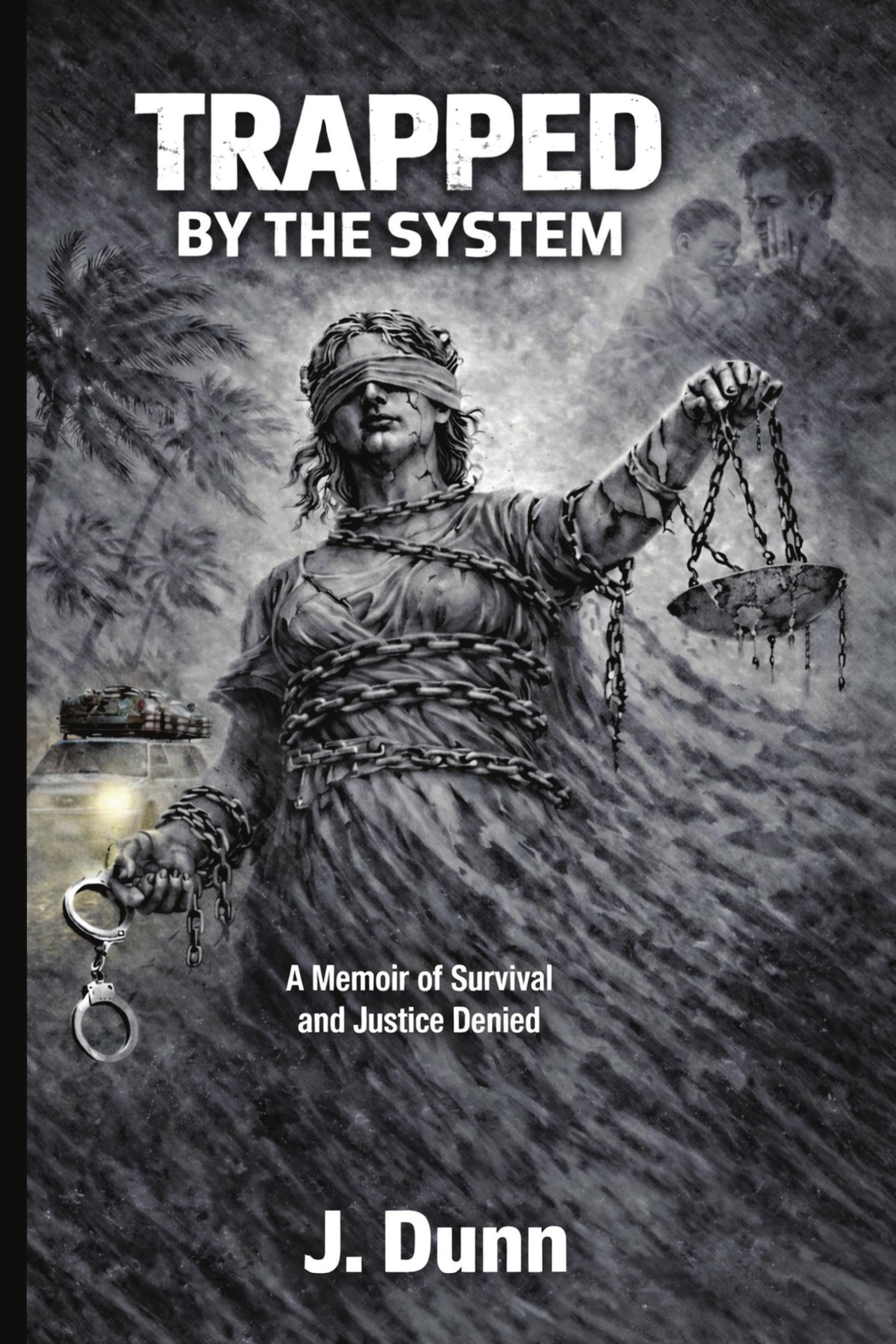
50,000 words. Every court date. Every failure. Every human cost. Trapped by the System by Jerry Dunn is the documented case for Karen's Law. Available May 20, 2026. Order it →
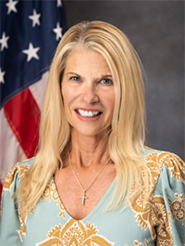
Brevard and Indian River Counties. Primary Senate sponsor target for Karen's Law introduction in the 2027 session.
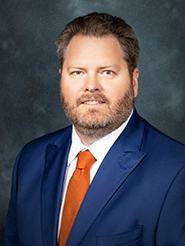
Contact Senator Mayfield →Volusia and Brevard Counties. District co-target for Karen's Law co-sponsorship in the 2027 session.
Contact Senator Wright →On March 28, 2026, a certified letter was sent to State Attorney Scheiner documenting a Marsy's Law violation in the Travis Edwards case and requesting a written response within 30 days. The deadline was May 1, 2026. No response has been received. His office's own website states that "to do otherwise would be a miscarriage of justice and a disservice to the community we serve."
Read his sworn statement →Parents of Murdered Children supports survivors and advocates for legislative reform. Connect with others fighting for the same changes.
pomc.org →This is real footage. Neighbors recorded it. News cameras captured the SWAT response, the teargas, the moment they brought Travis Edwards out. This is what happens when a violent offender cycles through the system for years with no mandatory conditions and no enforcement.
Watch it. Share it. Show your legislators. This is the event that makes Karen's Law undeniable.
Jerry Dunn was shot in the head by Travis Edwards in 1994. Over the next thirty years he watched the same system — the same failures — repeat. This book is the documented record of every court date, every commitment, every release, and every failure to notify. It is also the legislative case for Karen's Law.
Available May 20, 2026 — Amazon, Kindle, and major retailers.
Order on AmazonFlorida's incompetency-to-release pipeline has failed families across this state for decades. When someone is found incompetent to stand trial, the charges are dismissed — and in 74% of cases they walk out with no conditions, no medication monitoring, no supervision, and no notification to victims.
If this happened to you or your family, your documented experience is evidence. Every submission is reviewed before publishing. Your email is never made public. Your account may become part of the legislative record for Karen's Law — and the next book.
Your account has been submitted and will be reviewed before publishing. What you documented matters — for Karen's Law, for the legislative record, and for every family still waiting for the system to change.